Search engines are becoming better at understanding content, context, and user intent. Instead of relying only on keywords, modern search systems analyze relationships between topics, entities, and website structure. This is one reason structured data has become increasingly important for SEO and AI-powered search experiences.
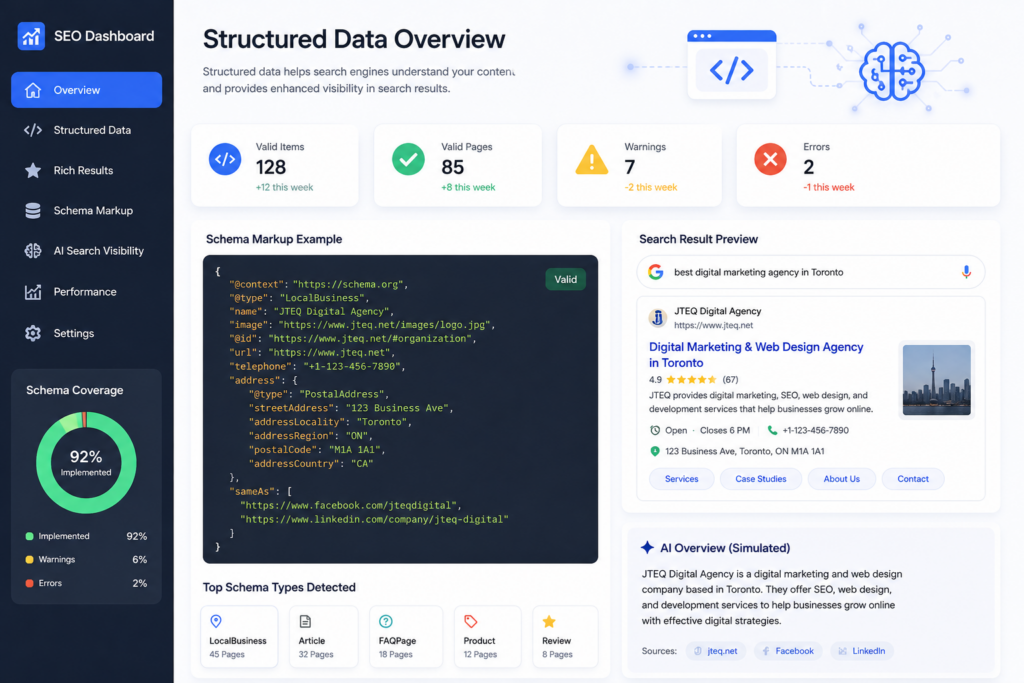
Structured data helps search engines understand what your content means, not just what it says. It provides additional context about pages, products, services, articles, reviews, and other elements on a website. As AI-powered search continues evolving, websites that provide clear structured information may have a stronger chance of appearing in enhanced search results and AI-generated summaries.
If you are already exploring AI-focused SEO strategies, you may also want to read SEO for AI Search in 2026: What Businesses Need to Change Now and Answer Engine Optimization in 2026: How to Win Visibility Without the Click.
What Is Structured Data?
Structured data is a standardized format that helps search engines better interpret website content. It is commonly implemented using schema markup, which adds organized information directly into a webpage’s code.
Instead of guessing whether a page is an article, local business, product page, or FAQ, search engines can use structured data to identify the content more accurately. Google officially supports several structured data formats and uses them to improve how content appears in search results. Read Google’s structured data documentation.
Why Structured Data Matters in Modern SEO
Search is no longer limited to traditional rankings. AI-generated answers, rich results, voice search, and conversational search experiences all rely heavily on understanding content relationships. Structured data helps provide those signals.
Pages with strong structure and clearly defined information are easier for search systems to interpret. This can support visibility in rich results, featured snippets, and AI-powered search features.
Structured Data Improves Context
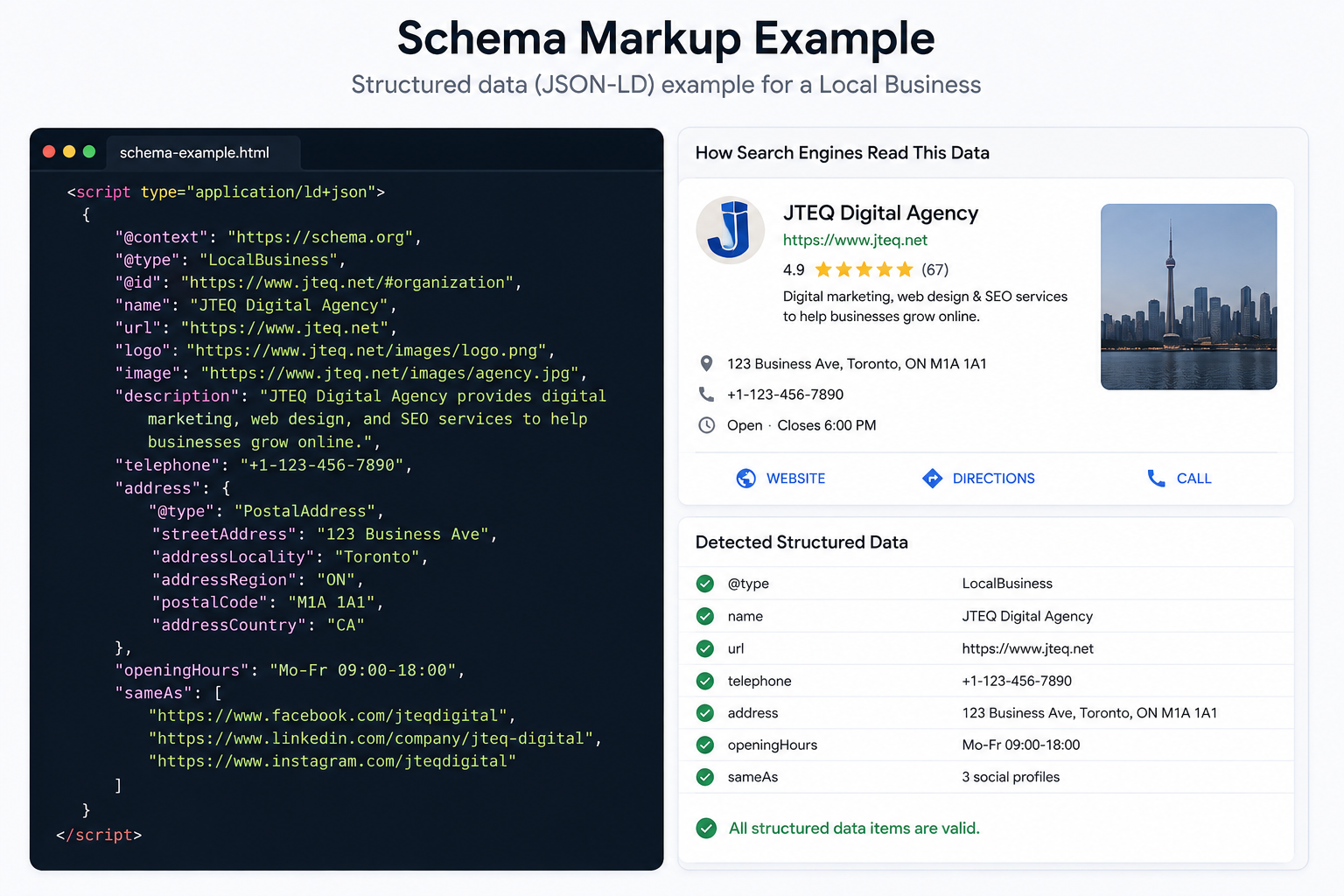
For example, a local business page may include business hours, services, contact information, and reviews through structured data markup. An article page may include author information, publication date, and topic relevance. These details help search systems better understand the purpose of a page.
How Search Engines Use Structured Data
Search engines use structured data to organize information more efficiently. This helps improve how content is indexed and displayed. While structured data alone does not guarantee higher rankings, it helps search systems process content more accurately.
Better Understanding of Website Content
Search engines use schema markup to identify important details such as products, articles, FAQs, services, events, and organizations. This additional context helps improve relevance for certain searches.
Google also uses structured data to generate rich results and enhanced search features. Explore Google’s supported rich result types.
Improved Visibility in Search Results
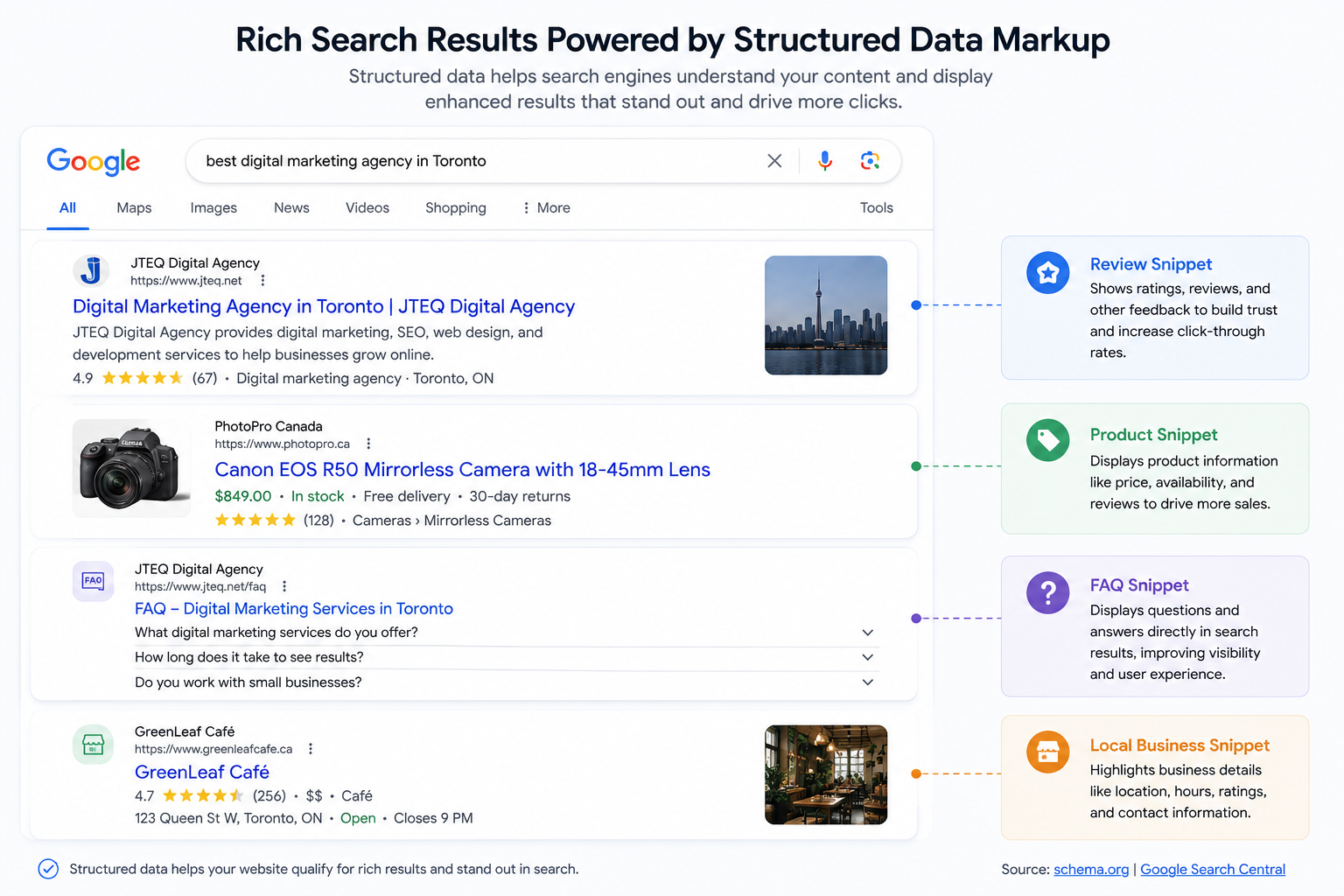
Structured data may improve how your pages appear visually in search results. Rich results can include star ratings, FAQs, business details, product pricing, and other enhancements that make listings more noticeable.
Even when users do not click immediately, enhanced search visibility can improve brand awareness and recognition.
Types of Structured Data Businesses Should Consider
Different types of websites benefit from different schema markup implementations. The most useful structured data depends on the type of content you publish.
Article Schema
Article schema helps search engines understand blog posts, news articles, and editorial content. This may improve how content appears in search features and AI-generated summaries.
Local Business Schema
Local business schema helps define business information such as name, location, services, hours, and contact details. This supports local SEO visibility and business discovery.
If local visibility is part of your strategy, you may also want to review Mastering Local SEO: How to Rank Higher in Local Search Results.
FAQ Schema
FAQ schema helps organize questions and answers in a format search engines can understand more clearly. While Google has adjusted how FAQ rich results appear, this structure may still improve content organization.
Product and Review Schema
Ecommerce websites often use product schema to define pricing, availability, ratings, and reviews. This can improve visibility in shopping-related searches.
Structured Data and AI Search
AI-powered search systems depend heavily on understanding relationships between topics and entities. Structured data helps websites provide clearer signals about those relationships.
Google’s AI features documentation explains that AI search still relies on core SEO best practices and accessible content. Review Google’s AI search guidance.
Why AI Systems Need Structure
AI-generated answers combine information from multiple sources. Structured data helps search systems interpret the role and meaning of specific content more accurately.
For example, structured data can clarify whether a page represents a business, service, article, product, or FAQ. This helps reduce ambiguity and improves content interpretation.
Technical SEO Still Matters
Structured data works best when combined with strong technical SEO fundamentals. Search engines still rely on crawlability, performance, mobile usability, and clean site architecture.
Website Speed and Mobile Optimization
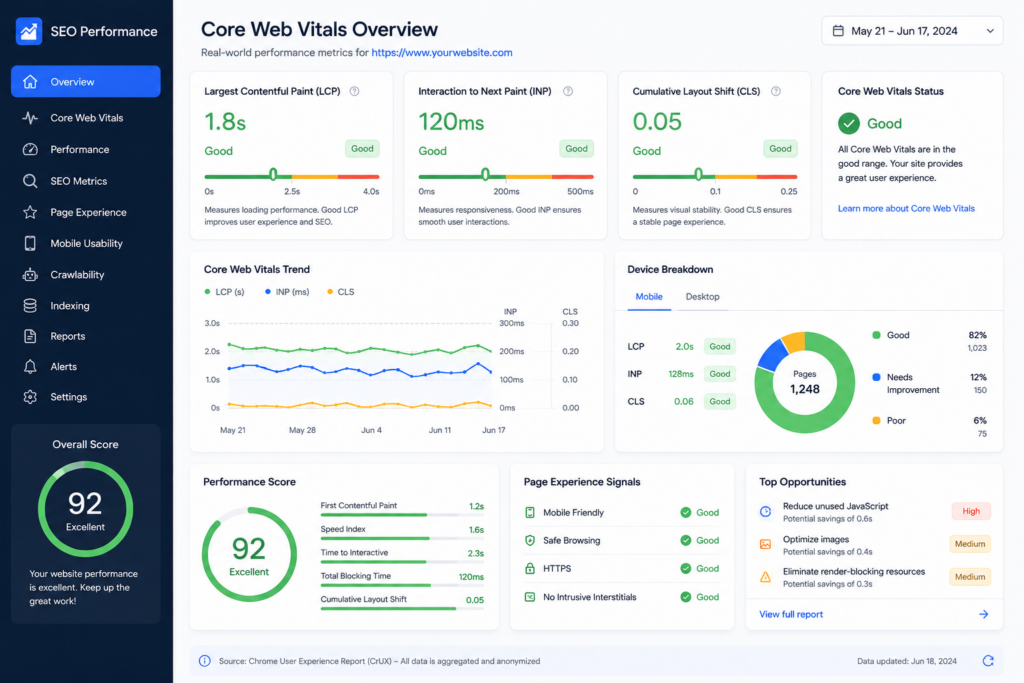
A fast, responsive website creates a better user experience and supports stronger search visibility. Core Web Vitals remain an important part of modern optimization. Learn more about Core Web Vitals.
You can also revisit How to Optimize Your Website for Speed and Performance and Why Mobile Optimization Is Crucial for Your SEO Strategy.
Accessibility and Content Clarity
Accessible websites often provide cleaner structure and stronger usability. W3C recommends following WCAG 2.2 accessibility standards when building modern websites. Review WCAG 2.2 guidelines.
Common Structured Data Mistakes
Some websites add schema markup incorrectly or use markup that does not match the visible page content. This can create confusion for search systems.
Avoid These Issues
- Using inaccurate or misleading schema markup
- Adding structured data that does not match page content
- Ignoring technical SEO issues
- Failing to maintain consistent site structure
- Overlooking mobile usability and accessibility
Google also provides structured data validation tools and recommendations to help website owners test implementations properly. Use Schema.org Validator.
Final Thoughts
Structured data helps search engines better understand website content, relationships, and context. As AI-powered search experiences continue evolving, websites with clear structure and organized information may have stronger opportunities for visibility.
While structured data is not a shortcut to rankings, it supports stronger communication between your website and search systems. Combined with high-quality content, technical SEO, and strong internal linking, schema markup can play an important role in modern SEO strategy.
For additional SEO insights, continue exploring The Role of Content in SEO, SEO Best Practices: What You Need to Know, and The Importance of Professional Web Design for Your Business.