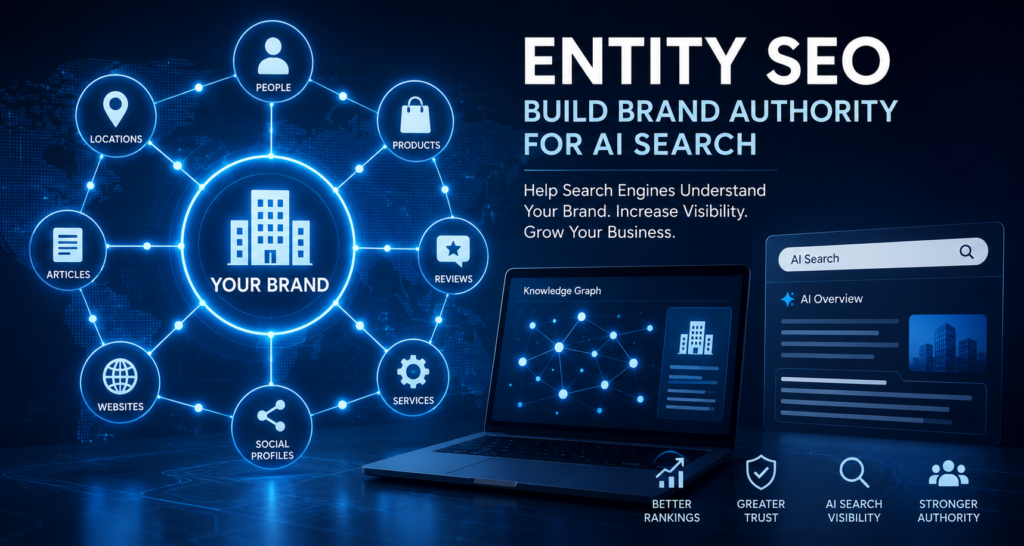
Search is changing fast, and small businesses are starting to notice it. Instead of only seeing traditional search results, users now often see AI-generated summaries at the top of the page. These features, known as AI Overviews and AI Mode, are changing how people discover information, compare services, and make decisions online.
For small business owners, this shift may feel uncertain at first. However, it also creates new opportunities. Visibility is no longer limited to ranking first on a results page. Businesses that adapt their content and website structure can still appear in front of potential customers, even when users do not click immediately.
What Are AI Overviews and AI Mode?
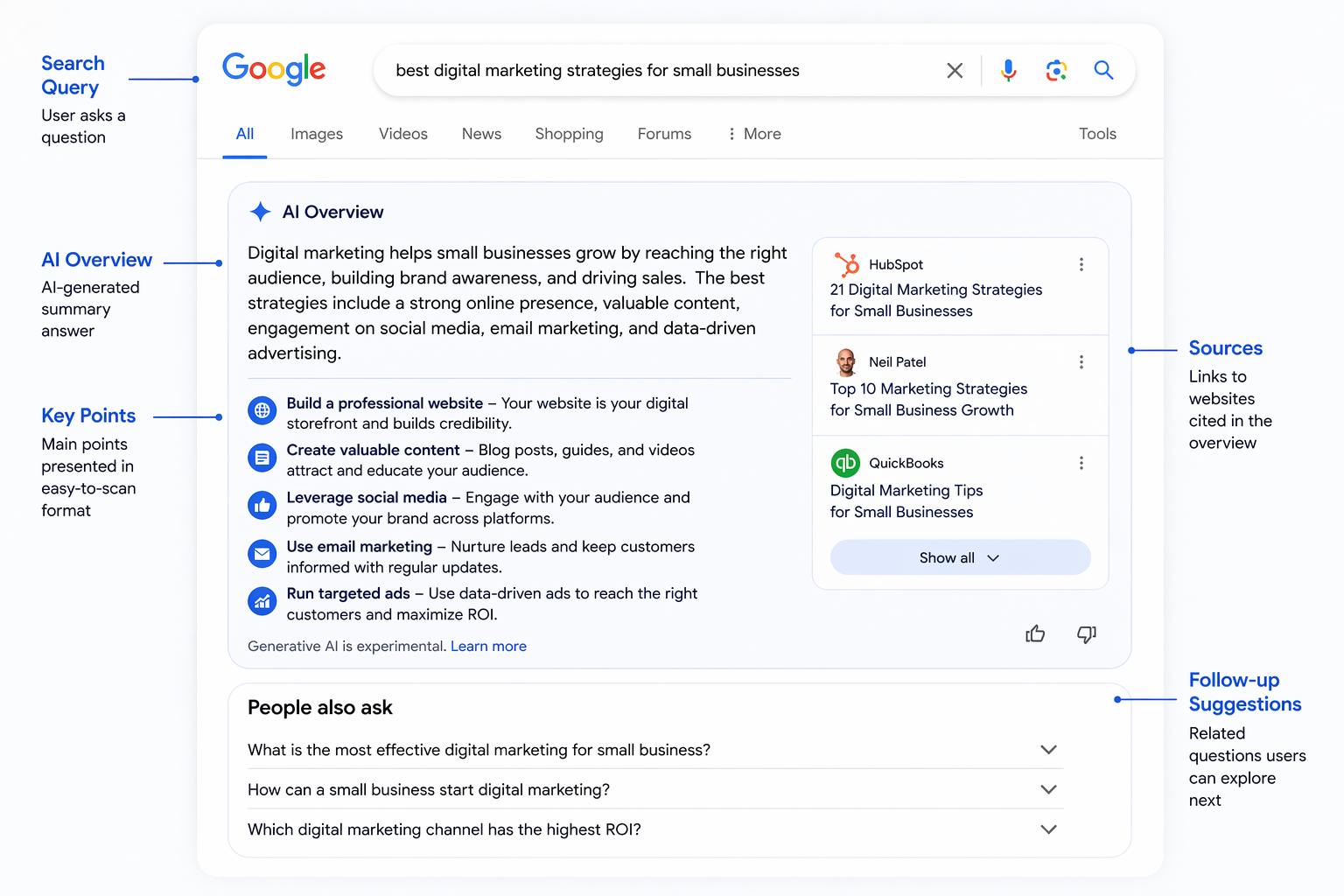
AI Overviews are summaries generated by search systems that provide direct answers to user queries. These summaries often combine information from multiple sources and present it clearly at the top of the results page. AI Mode, on the other hand, allows users to ask follow-up questions and explore topics in a more conversational way.
This means users may stay within the search interface longer, gathering information without visiting multiple websites. Even so, the sources referenced in these summaries still matter. Being included in those sources can improve brand awareness and credibility.
Why This Matters for Small Businesses
Small businesses often rely on organic traffic to attract customers. When fewer users click through to websites, it may seem like visibility is decreasing. In reality, visibility is shifting. Instead of focusing only on clicks, businesses should pay attention to impressions, mentions, and how often their content appears in AI-generated results.
If you already understand basic SEO principles, you may find it helpful to revisit your foundation through SEO Best Practices: What You Need to Know and The Role of Content in SEO.
How AI Overviews Select Content
AI Overviews do not simply pull content from the highest-ranking page. Instead, they evaluate content based on clarity, usefulness, and relevance to the question being asked. Pages that directly answer questions and provide structured information are more likely to be included.
Clear Answers Come First
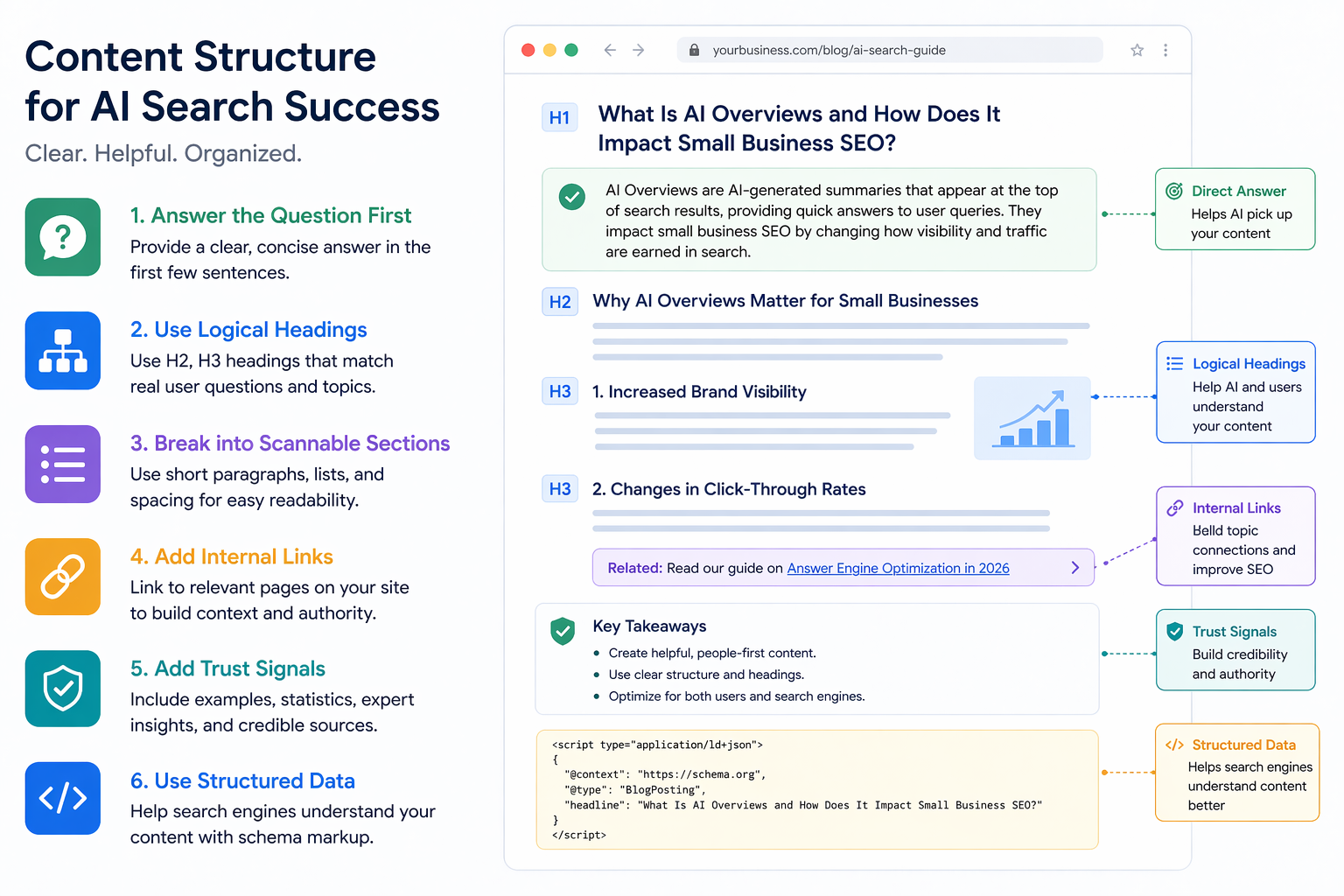
Content that clearly explains a topic in simple language tends to perform better. Long introductions that delay the answer can reduce the chances of being included in AI summaries. Starting with a direct explanation, then expanding with details, creates a stronger structure.
Example of Strong Content Structure
A well-structured page includes a clear introduction, helpful headings, and supporting details that answer related questions. This approach improves readability for both users and search systems.
How Small Businesses Can Stay Visible
Even with AI-generated summaries, small businesses can still maintain strong visibility. The key is to focus on creating helpful, well-organized content and maintaining a technically sound website.
Focus on Search Intent
Understanding what users are trying to find is essential. Instead of targeting only keywords, think about the problem behind the search. Are users comparing services, learning something new, or looking for a local provider? Your content should match that intent.
Strengthen Internal Linking
Internal links help connect related topics and improve site structure. They also guide users to explore more of your content. For example, you can connect this topic to Mastering Local SEO and Website Speed Optimization.
Build Topical Authority
Publishing multiple related articles on a topic helps search systems understand your expertise. Instead of creating isolated posts, build a group of content that supports each other.
Technical SEO Still Plays a Role
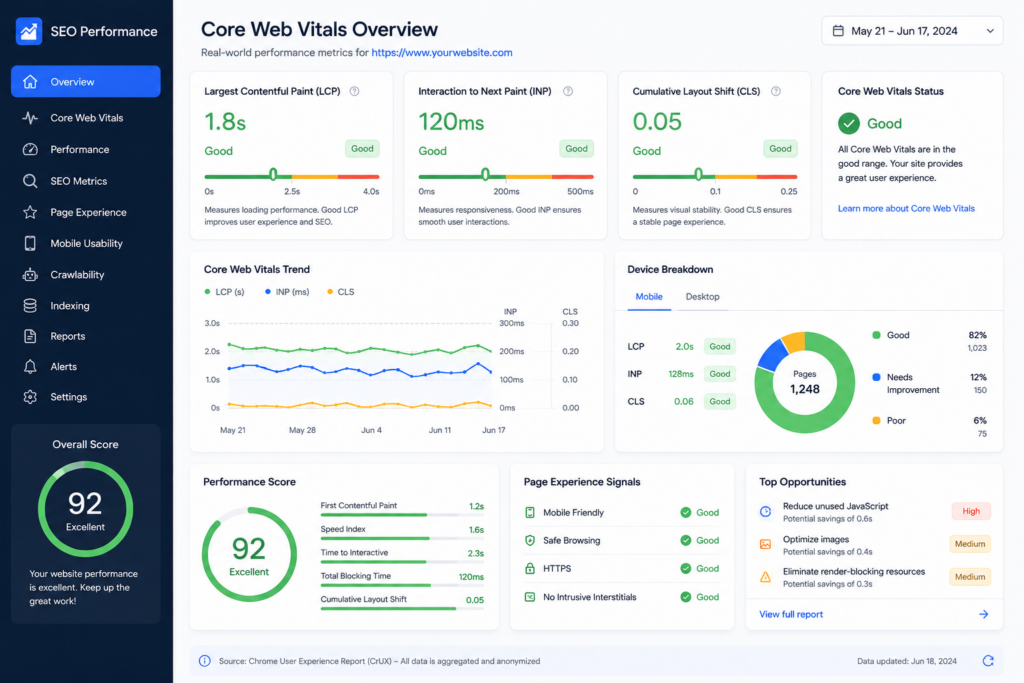
Content alone is not enough. A website must also be technically sound to perform well in search. This includes fast loading times, mobile responsiveness, and proper structure.
Improve Page Experience
A fast and responsive website creates a better user experience. This can support overall visibility and engagement. If your site feels slow or difficult to navigate, users may leave before interacting further.
Use Structured Data
Structured data helps search systems understand your content more clearly. It provides context about your business, services, and pages. For more details, you can review Google’s structured data guide.
Content That Performs Well in AI Search
Not all content performs equally in AI-driven environments. Some formats are easier for search systems to interpret and summarize.
Use Question-Based Headings
Headings that reflect real user questions make content easier to understand. They also align with how people search and interact with AI systems.
Keep Information Organized
Breaking content into sections improves readability. Lists, short paragraphs, and clear headings make it easier for users to scan and for systems to interpret.
What to Avoid Moving Forward
Some older SEO tactics are less effective in AI-driven search environments. Small businesses should move away from outdated practices and focus on quality.
Common Mistakes
- Creating repetitive content without adding value
- Overusing keywords without clear context
- Publishing content that lacks structure
- Ignoring mobile and performance issues
- Failing to connect related pages through internal links
Measuring Success in AI Search
Success is no longer based only on clicks. Businesses should also track impressions, engagement, and how often their content appears in search features. Tools like Google Search Console can provide helpful insights.
For more information about how search systems evaluate content, you can review Google’s ranking systems guide.
Final Thoughts
AI Overviews and AI Mode are reshaping how people interact with search. While this may reduce direct clicks in some cases, it also opens new ways for businesses to stay visible and relevant.
Small businesses that focus on clarity, structure, and user intent may continue to perform well in search. By improving content quality and strengthening technical foundations, it becomes easier to adapt to these changes and maintain a strong online presence.