Google Business Profile is one of the most recognizable tools for local search visibility, but it is not the entire local SEO strategy. Businesses that want to attract nearby customers in 2026 also need useful websites, accurate business information, relevant local content, and meaningful connections within their communities.
A complete local SEO strategy extends beyond a map listing. It helps search engines understand where a business operates, which services it provides, and why its website is relevant to people searching in a particular area.
For businesses already using the techniques discussed in Mastering Local SEO: How to Rank Higher in Local Search Results, the next step is to develop stronger local authority through the website and other credible online sources.
What Does Local SEO Beyond Google Business Profile Mean?
 Local SEO beyond Google Business Profile involves optimizing the wider online presence of a business. This includes its website, service-area content, directory listings, locally relevant backlinks, community mentions, and customer-facing information.
Google explains that local search results are primarily based on relevance, distance, and prominence. While these factors are especially important for local business results, businesses can also improve their organic visibility by creating useful location-relevant website content.
Google’s guidance on improving local rankings provides an overview of how local search works.
A business profile provides essential details, but a website can explain services in much greater depth. Visitors may want to compare options, understand the service process, explore previous projects, or find answers to location-specific questions.
A well-organized website can provide this information while creating additional opportunities to appear in organic search results.
Create Useful Local Landing Pages
Local landing pages help businesses explain how their services relate to particular cities, neighborhoods, or service areas. However, these pages should offer meaningful information rather than simply repeat the same content with different location names.
Make Each Location Page Distinct
A useful local page may include relevant service details, geographic coverage, local customer needs, transportation considerations, project examples, and information about how the business serves the area.
For example, a landscaping company serving multiple cities might explain differences in property types, climate conditions, or commonly requested services in each location.
The goal is to answer questions that matter to customers in that area.
Avoid City-Swapped Duplicate Pages
Creating dozens of nearly identical pages that only replace one city name with another is not a strong long-term strategy. Google warns against doorway pages created primarily to rank for similar search queries while directing users to substantially the same destination.
Review Google’s spam policies when planning large collections of location pages.
[Add Inner Image 1 here: Local business landing page with city-specific content]
Optimize Website Content for Local Search Intent
Local search intent describes what a person wants to accomplish in a specific geographic area. Someone searching for a nearby service provider may have different needs from someone researching a general industry topic.
Answer Questions From Local Customers
Businesses can develop useful content around questions such as service availability, geographic coverage, appointment options, local conditions, and practical service considerations.
A home improvement company, for example, could publish an article explaining how regional weather affects exterior maintenance. A restaurant might provide useful information about accessibility, nearby transportation, or dining arrangements.
These details should reflect real services and circumstances rather than invented local connections.
Use Location Terms Naturally
City and neighborhood names can appear in page titles, headings, descriptions, and body content when they help explain the page.
However, repeating a location name excessively does not make content more useful. Search optimization should support clear communication rather than overwhelm it.
Google’s people-first content guidance emphasizes creating material that genuinely helps visitors.
Build Consistent Business Citations
A local citation is an online reference to a business. Citations often include the business name, address, and phone number, although the information displayed depends on the platform.
Directories, local business associations, industry websites, and other relevant resources may publish these details.
Keep Business Information Accurate
Businesses should review important listings to ensure that their name, address, phone number, website, and service information remain accurate.
Inconsistent details can confuse potential customers and make it more difficult for people to contact the correct business.
For businesses without a customer-facing physical location, public address information should follow the applicable platform’s rules and accurately represent the business.
Prioritize Relevant Directories
Not every directory deserves attention. Businesses should focus on reputable platforms that are relevant to their location or industry.
Examples may include local chambers of commerce, recognized industry associations, and established business directories.
Submitting the same information to hundreds of low-quality directories is not a substitute for maintaining accurate listings on useful platforms.
[Add Inner Image 2 here: Business owner reviewing local citations and listings]
Earn Local Backlinks Through Real Relationships
Backlinks are links from other websites to your own. Relevant links can help people discover your business and may support search engines in understanding the relationships between websites.
For local businesses, useful linking opportunities often arise from genuine community activities rather than mass link-building campaigns.
Participate in Community Activities
Businesses may earn visibility by participating in local events, contributing expertise to community initiatives, supporting relevant organizations, or collaborating with nearby businesses.
For example, a business participating in a community workshop might be mentioned on the organizer’s website. A local publication may also reference a company when reporting on a legitimate community project.
These opportunities should be pursued for their real-world relevance, not solely for obtaining backlinks.
Avoid Manipulative Link Schemes
Buying links intended to manipulate rankings or participating in excessive link exchanges can violate Google’s spam policies.
A better approach is to create useful resources and build authentic relationships that naturally lead to relevant mentions.
Strengthen Local Brand Recognition
Local authority is not limited to technical optimization. Customers also need to recognize the business and understand what makes it relevant to their needs.
Publish Authentic Local Content
Businesses can share useful project information, local service updates, educational resources, and relevant community activities.
Original photography can also help visitors understand a business’s work, facilities, products, and service environment.
These practices connect with How SEO and Graphics Work Together to Drive Traffic, which explores the relationship between visual content and search visibility.
Build Recognition Across Multiple Platforms
A business may appear on its website, social media profiles, industry directories, and community publications. Keeping its identity and service information consistent across these platforms helps customers recognize the same organization.
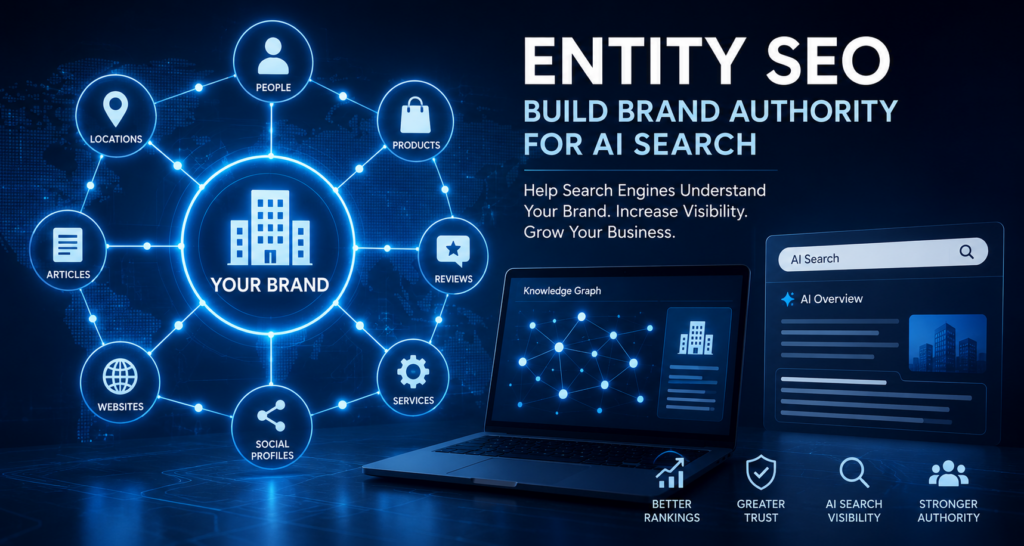
Consistency also supports the principles discussed in Entity SEO: How Search Engines Understand Your Brand.
[Add Inner Image 3 here: Local business owners building community connections]
Use Structured Data to Describe Your Business
Structured data provides machine-readable information about website content. Relevant schema types can describe organizations, local businesses, addresses, contact information, and other details.
For eligible businesses, LocalBusiness structured data may help Google understand important business information.
Match Structured Data With Visible Content
Structured data should accurately represent the business and correspond to information available on the page.
Adding schema markup does not guarantee better rankings or a particular search appearance. It provides additional context that search engines may use.
Google’s Local Business structured data documentation explains supported properties and implementation guidance.
For a broader explanation, see How Structured Data Helps Websites Rank Better in AI Search.
Improve Mobile Usability for Local Visitors
Many local searches occur when people need information quickly. Visitors may be looking for directions, operating hours, service details, or a convenient way to contact a business.
Websites should make important information easy to find and use across different devices.
Make Essential Information Accessible
Use clear navigation, readable text, appropriately sized buttons, and well-organized service information.
Visitors should not need to navigate through several unrelated pages to understand whether a business serves their location.
Keep Pages Fast and Responsive
Large images, unnecessary scripts, and unstable layouts can interfere with the experience, particularly on mobile connections.
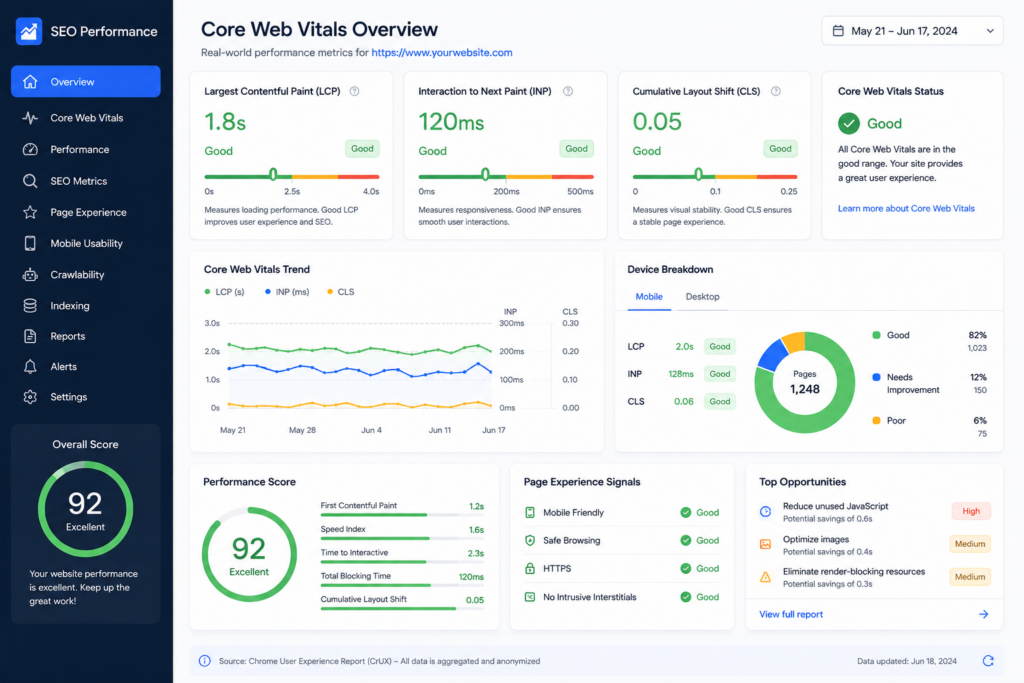
Google’s Core Web Vitals guidance explains important performance metrics related to loading, responsiveness, and visual stability.
Additional guidance is available in Why Mobile Optimization Is Crucial for Your SEO Strategy.
Build Local Authority With Helpful Resources
Local businesses can create useful informational resources that answer questions connected to their services and geographic areas.
These resources may include maintenance guides, seasonal advice, explanations of local service conditions, or practical information about choosing a provider.
Connect Local Resources Through Internal Links
When a local guide relates directly to a service page, a contextual internal link can help readers find the next relevant resource.
For example, an article about seasonal roof maintenance could link to a roofing company’s relevant service page.
Internal links should help visitors navigate naturally rather than simply repeat exact-match keywords.
Organize Content Into Useful Groups
Related service pages, local guides, and educational articles can be grouped into content hubs.
This makes it easier to maintain the website and helps visitors explore related information without searching repeatedly.
How AI Search Relates to Local SEO
AI-powered search experiences can present information from multiple online sources, including websites and other available search features.
Businesses should continue prioritizing accurate information, accessible content, and established SEO practices rather than assuming that a special AI optimization technique is required.
Make Business Information Clear
Important details such as services, service areas, and business identity should be easy to understand.
Google’s AI features guidance explains that existing SEO fundamentals remain relevant to AI search experiences.
This complements SEO for AI Search in 2026 without requiring businesses to abandon their existing local optimization strategies.
Measure Local SEO Performance
Local SEO success should be evaluated using more than a single ranking position. Businesses can monitor search visibility, website engagement, qualified inquiries, and other meaningful outcomes.
Use Google Search Console
Google Search Console provides information about search queries, impressions, clicks, and page performance.
Businesses can review location-related queries and compare the performance of important service pages over time.
Learn more through the official Google Search Console website.
Track Meaningful Customer Actions
Website analytics can help businesses understand whether local visitors complete important actions, such as requesting an appointment or submitting a qualified inquiry.
These results should be interpreted alongside seasonal demand, competition, changes in services, and broader marketing activity.
Common Local SEO Mistakes to Avoid
 Businesses can weaken their local visibility by focusing on superficial optimization rather than useful information and authentic local relevance.
- Creating nearly identical city pages with minimal unique content
- Publishing inaccurate business addresses or phone numbers
- Submitting listings to irrelevant or low-quality directories
- Buying backlinks intended to manipulate search rankings
- Claiming service areas the business does not actually serve
- Ignoring mobile website usability
- Using structured data that conflicts with visible page information
- Publishing generic local articles without useful details
- Failing to update outdated business information
- Measuring performance only through map rankings
A Practical Local Authority Checklist
Businesses can begin by reviewing their existing website and online presence. Identify important service areas, confirm business information, and evaluate whether current landing pages provide useful local details.
Next, review relevant directories and community relationships. Look for legitimate opportunities to publish useful local resources and improve how visitors navigate between related pages.
Finally, monitor website performance and customer outcomes. Update content when services, locations, or business information change.
Final Thoughts
Local SEO in 2026 requires more than maintaining a Google Business Profile. Businesses can strengthen their online presence through useful local landing pages, accurate citations, relevant community relationships, clear website structure, and reliable business information.
The strongest approach combines technical SEO with genuine local relevance. Instead of trying to manufacture authority through repetitive pages or low-quality links, businesses should focus on providing information that customers actually need.
For additional guidance, explore Mastering Local SEO, The Importance of Professional Web Design, and SEO Best Practices.