Search is changing fast, and businesses that still rely on old SEO habits are going to feel it. In 2026, SEO for AI search is no longer just a future topic. It is already affecting how people discover websites, compare services, and decide which businesses to trust. With Google continuing to expand AI-powered search experiences, brands need to think beyond ranking for a few short keywords and start building content that actually deserves visibility.
That shift is bigger than many site owners realize. Traditional SEO still matters, but it is now part of a larger picture. AI search experiences are designed to help users ask longer, more detailed questions and get clearer answers faster. That means the businesses that win are not just the ones with keywords in the right places. They are the ones with useful information, strong website quality, and content that feels worth citing.
If you run a service business, agency, e-commerce store, or content-driven website, now is the time to adjust. Waiting until traffic drops is the wrong move. The better move is to understand what AI search is rewarding and align your website with that direction now.
What Is Changing in Search?
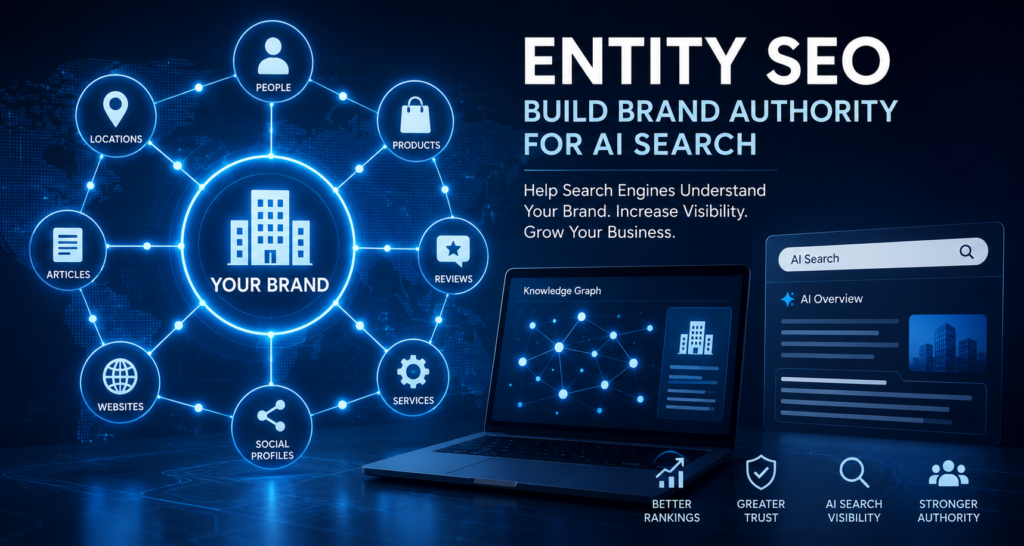
Google has already expanded AI-driven search experiences through AI Overviews and AI Mode. Google has also said that users are asking longer and more specific questions in these newer search environments, which changes how businesses should think about visibility. Instead of depending only on classic blue-link rankings, websites now need to be useful enough to support more complex search journeys.
That matters because AI search does not simply reward pages that repeat a keyword the most. It favors pages that help answer real questions clearly, thoroughly, and in a way that feels credible. In plain English, generic content is becoming easier to ignore.
This does not mean traditional SEO is dead. Not even close. It means SEO is becoming more demanding. Your website still needs crawlable pages, strong internal linking, smart keyword targeting, and fast performance. But now it also needs genuine value.
Why Old SEO Tactics Are Getting Weaker
A lot of websites still publish content built around thin keyword variations. They create multiple pages that say almost the same thing, lightly rewrite competitor ideas, and hope that volume will outrank quality. That approach was already shaky. In AI search, it gets weaker.
Google’s own guidance for AI search success points site owners toward creating unique, non-commodity content that visitors find helpful and satisfying. That is the exact opposite of filler content. If your page could be swapped with ten other pages and nobody would notice, it is easier for search systems to treat it as replaceable.
Businesses need to move away from content that exists only to target a phrase and move toward content that solves a problem, explains a process, compares options, or gives the reader a useful next step.
What Good SEO for AI Search Looks Like

The strongest SEO strategy in 2026 still starts with search intent, but it goes deeper. You need content that matches what users are really trying to accomplish. Are they researching? Comparing? Looking for a provider? Trying to fix a technical issue? Trying to understand a new concept? Your page should answer that intent directly, not circle around it.
Strong content also needs structure. Clear headings, logical sections, concise explanations, and direct answers make it easier for both people and search systems to understand what your page actually offers. This is one reason your existing post on on-page SEO elements is still highly relevant. A well-structured page gives search systems cleaner signals about the topic and gives readers a better experience.
Content depth matters too, but depth does not mean rambling. It means covering the topic completely enough that a reader leaves with real value. A short answer can work for a simple query. A more complex topic needs fuller treatment. The goal is not word count for its own sake. The goal is usefulness.
Why Content Quality Matters More Than Ever
Content remains central to SEO, but the standard is higher now. Content has to do more than include keywords naturally. It needs to show expertise, clear thinking, and relevance to the audience. JTEQ’s own article on creating SEO-friendly content already supports this direction, and that post becomes even more valuable in the AI search era.
In practical terms, better content usually includes original examples, sharper explanations, strong formatting, and clear answers to questions users are likely to ask next. That is important because AI search experiences often expand on the original query. If your content only answers a surface-level question, it has less staying power.
Businesses should also think carefully about content differentiation. What do you know that generic AI-generated pages do not? What can your company explain from experience? What examples, insights, workflows, case details, or strategic opinions can you include that make the page harder to replace? Those are the pieces that move content from generic to useful.
Technical SEO Still Matters
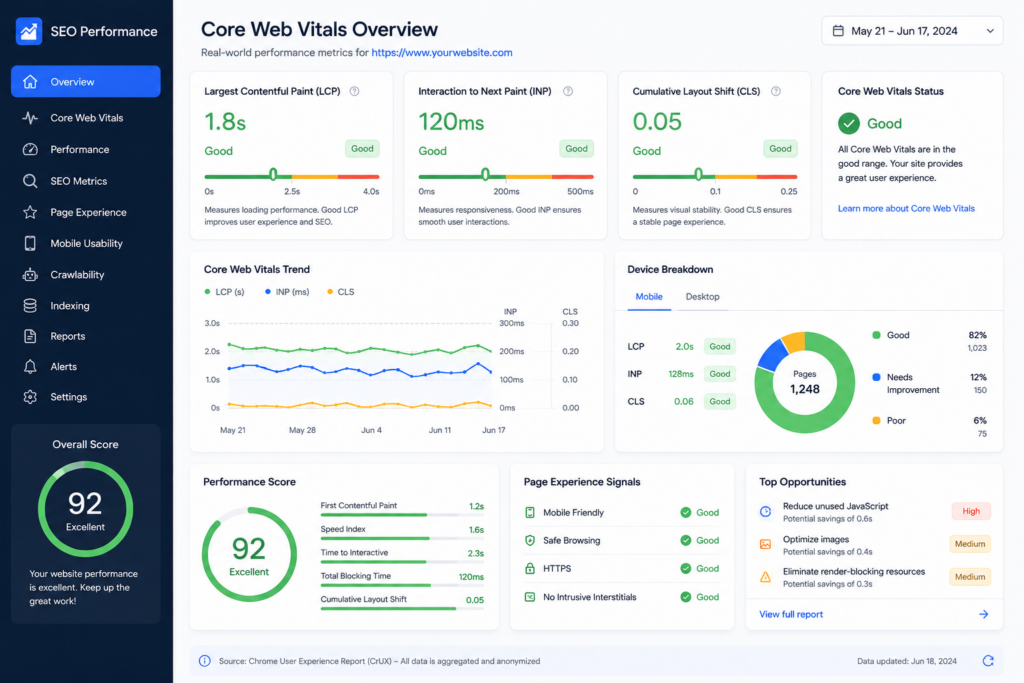
Some people hear “AI search” and assume technical SEO matters less now. That is wrong. Good content on a weak website is still handicapped. Google continues to recommend good Core Web Vitals and strong page experience because they support real-world usability. That means loading performance, interactivity, and visual stability still matter.
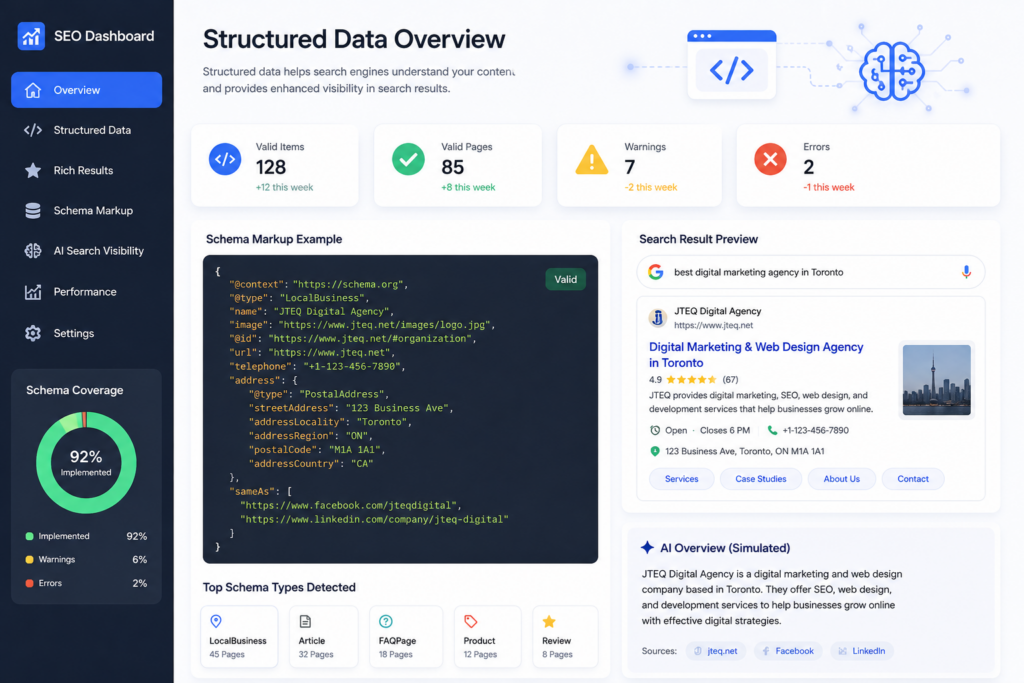
Technical SEO also helps search engines discover, crawl, and understand your content correctly. Clean site structure, proper indexing controls, internal links, mobile usability, schema where appropriate, and fast page delivery all support visibility. None of that is optional if you want consistent performance.
This is where your existing post on mobile optimization ties in well. Google still uses mobile-first indexing, and a site that performs poorly on mobile is still creating friction for both users and search systems. AI search does not cancel those fundamentals. It raises the standard around them.
Internal Linking Becomes More Valuable
Internal linking is one of the easiest wins for websites that want better SEO for AI search. A good internal-link structure helps users move naturally through related topics, and it helps search engines understand the relationships between your pages.
For example, a page about SEO for AI search should naturally connect to foundational content such as SEO best practices and on-page SEO. That creates a stronger topical cluster. It also helps keep readers engaged instead of dropping off after one page.
Many websites waste this advantage by adding random internal links or using weak anchor text. The better approach is to link where it helps the reader take the next logical step. That is cleaner for users and stronger for SEO.
What Businesses Should Change Right Now

First, audit your current content honestly. Remove or improve pages that are thin, repetitive, or clearly built just to target keywords. Second, strengthen your best pages with fresher examples, better structure, and more useful detail. Third, build topic clusters instead of isolated posts. A site that covers a subject from multiple useful angles usually sends stronger authority signals than a site with scattered one-off articles.
Fourth, invest in performance. Website speed, mobile usability, and technical cleanliness still matter. Fifth, stop treating AI as a shortcut for mass content production. AI can help with workflows, outlines, or efficiency, but publishing low-value content at scale is not a strategy. It is noise.
The goal in 2026 is not to out-produce the internet. That is impossible. The goal is to publish pages that are more helpful, clearer, and more trustworthy than the average result.
Final Thoughts
SEO for AI search is not about abandoning classic SEO. It is about raising the standard. Businesses still need strong keywords, on-page optimization, mobile performance, and technical SEO. But now they also need content that feels genuinely worth surfacing in an AI-driven search experience.
If your website still depends on thin articles, isolated keywords, and outdated publishing habits, now is the time to change direction. The businesses that adapt early will be in a much stronger position as AI search continues to expand. The ones that wait will likely spend more time recovering later.
For official guidance, review Google’s documentation on succeeding in AI search and Core Web Vitals.